

Between 2009 and 2011, at the height of U.S. operations in Afghanistan, a fundamental strategic disagreement between the President and GEN David Petraeus reshaped the trajectory of the entire conflict. What began with the post‑9/11 mission in 2001 had evolved into a complex counterinsurgency campaign, culminating in the 2009 troop surge and the subsequent decision to begin a rapid drawdown starting in July 2011. That decision—driven by competing views on risk, timing, and political versus operational realities—triggered a cascading transformation of military force structure, theater strategy, and even the legal authorities governing U.S. operations. In this talk, I’ll walk through that turning point from the inside, using firsthand experience to illuminate how a single strategic divergence at the top can re‑architect an entire theater.
Framed through a project and program management lens, this session breaks down the drawdown as a portfolio of interdependent initiatives: base closures, force reductions, mission redesign, partner‑nation transitions, and statutory rewrites. I’ll take attendees step‑by‑step through the scope decisions, risk calculations, and stakeholder dynamics that defined the period from the surge (2009–2010) through the initial withdrawal phases (2011–2014). With stakeholders ranging from the President and senior military leadership to coalition partners and local populations, the drawdown became a masterclass in navigating strategic misalignment, managing change at scale, and executing under shifting political and operational constraints. Participants will leave with practical insights into how major strategic pivots ripple through every layer of execution—and how disciplined project management can hold the center when everything else is in motion.
Learning Objectives:
Participants will have the opportunity to:
- Analyze how strategic misalignment at the executive level cascades into operational, organizational, and legal change.
- Participants will learn to identify early indicators of strategic divergence among key stakeholders and assess how those disagreements can reshape scope, priorities, and risk across an entire portfolio of projects.
- Apply project and program management principles to large‑scale, high‑uncertainty transitions.
- Attendees will examine the 2009–2011 Afghanistan drawdown as a case study in managing interdependent initiatives—force structure changes, mission redesign, and base closures—and translate those lessons into tools for navigating complex change in their own organizations.
- Strengthen stakeholder engagement strategies for environments with competing interests, shifting objectives, and high political visibility.
- Participants will develop approaches for balancing the needs of diverse stakeholder groups, from senior leadership to frontline teams, and maintaining execution integrity when the strategic “why” is evolving in real time.
Presenter Biography:
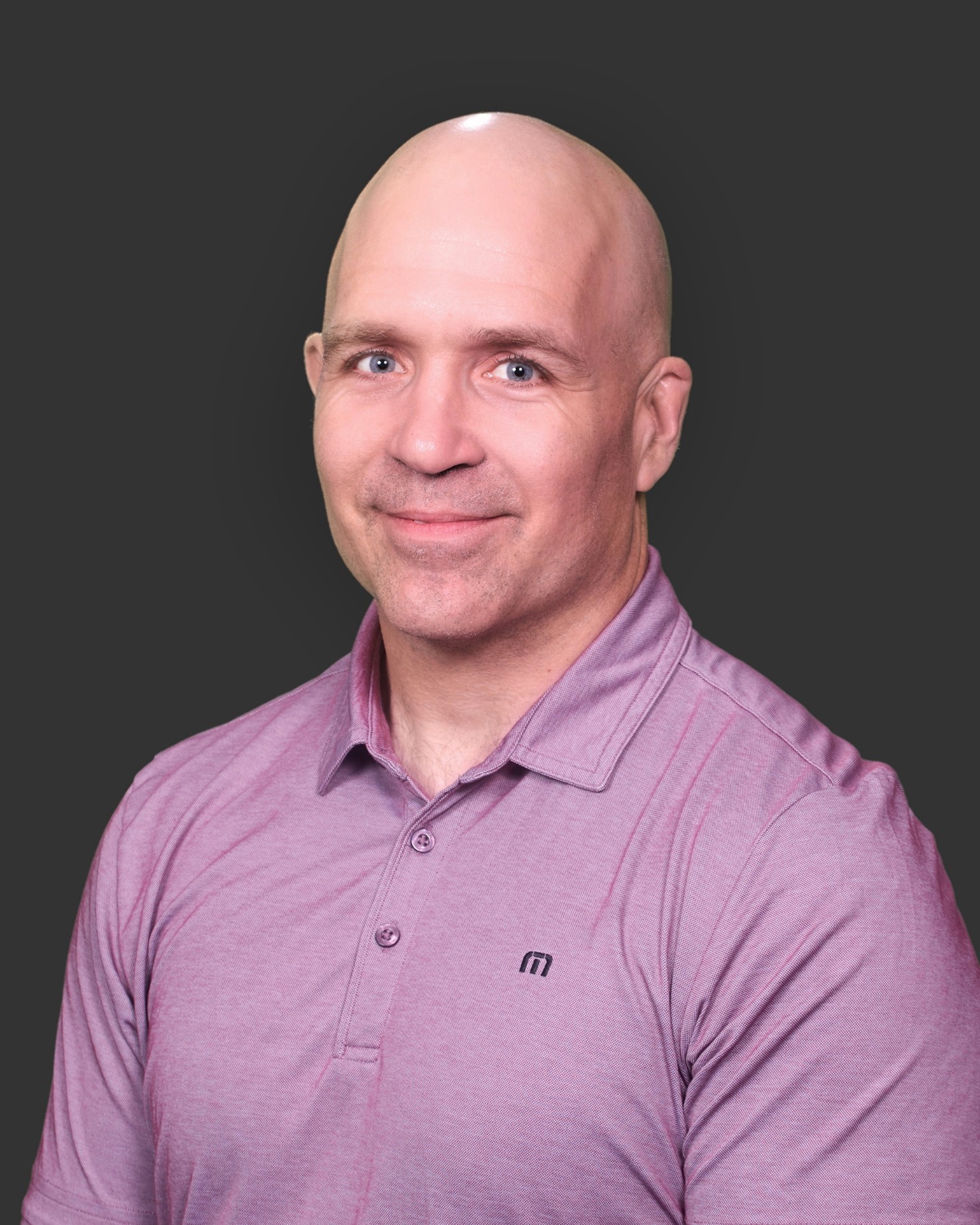
Jonathan Shaffner is a Senior Account Executive at Legion Intelligence, a defense-focused AI company delivering secure agentic AI systems with active deployments supporting U.S. Army and Special Operations forces. He brings nearly 30 years of military and defense experience — including six combat deployments, service as a commercial-rated rotary-wing pilot, and graduate education at both the U.S. Army School of Advanced Military Studies (SAMS) and the Marine Corps War College, where he earned a Master’s in Military Strategy.
A published author in the Naval Postgraduate School Culture and Conflict Review and the Small Wars Journal, Jonathan has spent his career at the intersection of operational planning, organizational design, and strategic problem-solving. He holds an MBA and has led complex organizations across logistics, aviation, and multi-domain operations — always with an eye toward building the right teams, processes, and systems to drive results.
Today, Jonathan applies that same organizational science mindset to one of the most consequential technology transitions of our time: AI at the tactical edge. His work at Legion Intelligence focuses on translating warfighter requirements into deployable AI solutions that close decision loops faster, in any environment.
He is based in the Washington, D.C. area and is an active youth hockey and soccer coach.
That’s Amore Restaurant, 15201 Shady Grove Rd #1, Rockville, MD 20850 (Downstairs Banquet Entrance)
Speaker will be in-person at restaurant with simulcast video option available via Zoom
SCHEDULE OF EVENTS
Registration Check-In Opens at 5:30pm (Social Hour Begins)
Dinner Service starts at @ 6:30pm
Zoom Room Opens @ 7:15pm
Chapter Business Remarks No Earlier Than @ 7:30pm
Program Presentation w/ Q&A to follow – NLT 7:50pm